
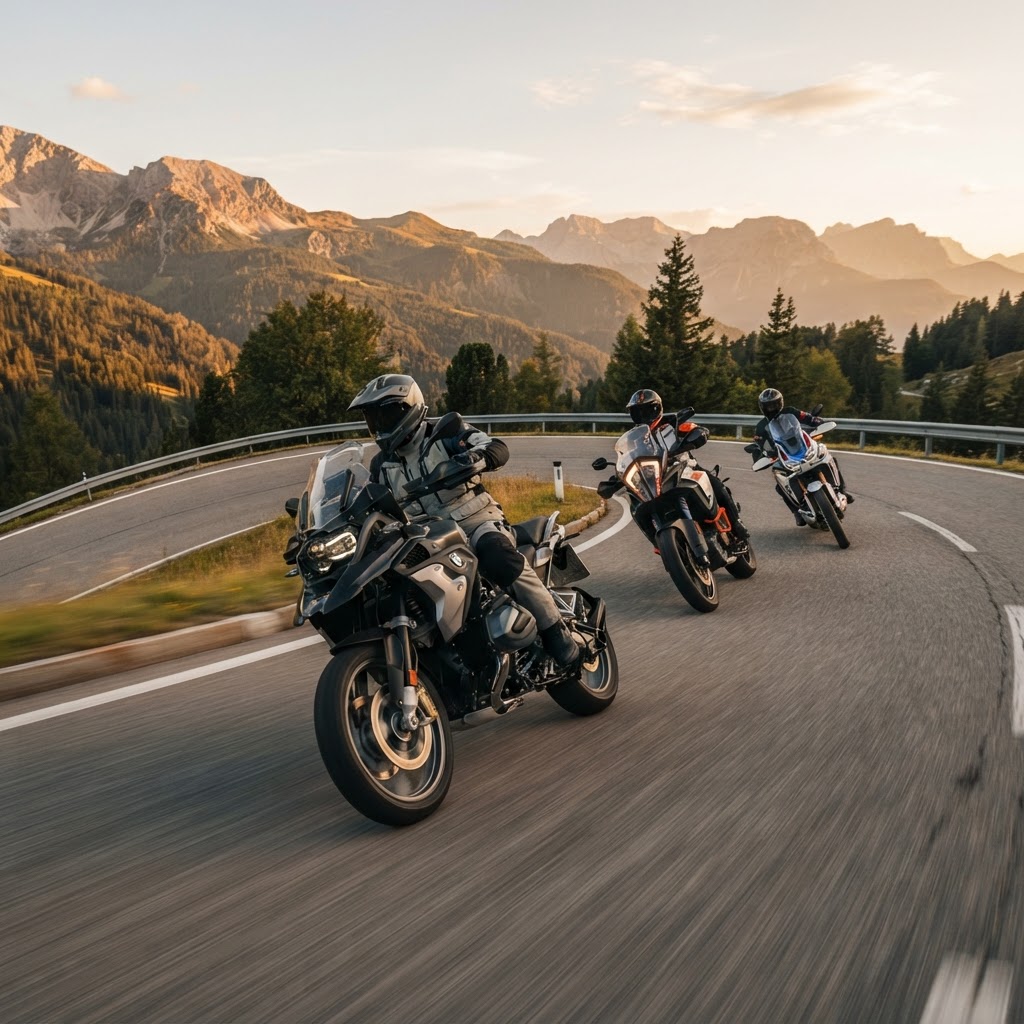
The Art of the Trail: Beyond Straight-Line Braking
For many riders, the golden rule of motorcycle training is simple: finish all your braking before you tip the bike into a corner. While this is a safe and effective starting point for beginners, it often leaves riders feeling rushed or forced to make abrupt adjustments mid-turn. If you want to elevate your riding—whether you are navigating technical APEX tarmac or managing a heavy ADVENTURE bike on a winding mountain pass—it is time to master trail braking.
What is Trail Braking?
At its core, trail braking is the act of gradually releasing front brake pressure as you increase your lean angle into a corner. Instead of abruptly letting go of the lever at the turn-in point, you “trail” that pressure off, easing the bike into the turn. This technique allows you to blend braking and cornering forces, keeping the front tire loaded and the suspension settled throughout the entry phase.
Trail braking is not just for the racetrack; it is a vital tool for road safety that allows you to maintain control and adjust your speed well into the heart of a corner.
Why Should You Use It?
The primary benefit of trail braking is stability. By keeping a small amount of pressure on the front brake, you prevent the front end from rebounding too quickly as you transition from braking to turning. This keeps the bike’s geometry consistent, which helps with:
- Improved Steering Response: A loaded front tire provides more grip and a more predictable turn-in.
- Reduced Lean Angle: By slowing the bike deeper into the corner, you can often negotiate the same radius with less lean angle, giving you a larger safety margin.
- Better Visibility: Because you are managing your speed longer, you have more time to look through the corner and identify hazards or changing road conditions.
How to Practice Safely
Trail braking is a skill that requires finesse, not force. If you are heading out for an October ride, use the cooler, grippier morning air to practice on familiar, low-traffic roads. Follow these steps to begin:
- Start Early: Begin your braking in a straight line as you normally would.
- The Transition: As you reach your turn-in point, do not release the brake lever completely. Instead, maintain a light, constant pressure.
- The Release: As you lean the bike over, slowly and smoothly ease off the brake. The more lean you add, the less brake you should have.
- The Apex: By the time you reach the apex of the corner, you should be completely off the brakes and transitioning to a light, maintenance throttle.
A Note on Application
While trail braking is a powerful tool, it is not a replacement for proper entry speed. If you enter a corner too fast, no amount of trail braking will save you. Always remember the fundamental steps of cornering: Slow, Look, Press, and Roll. Trail braking simply refines the “Slow” and “Press” phases, allowing for a more seamless transition into the “Roll” phase.
Whether you are planning a trip through the Alps or exploring local backroads, mastering this technique will make you a more confident and precise rider. At AtacRide, we believe that continuous learning is the key to a lifetime of great rides. Practice these inputs on your next outing, and you will feel the difference in how your bike tracks through every bend.

