
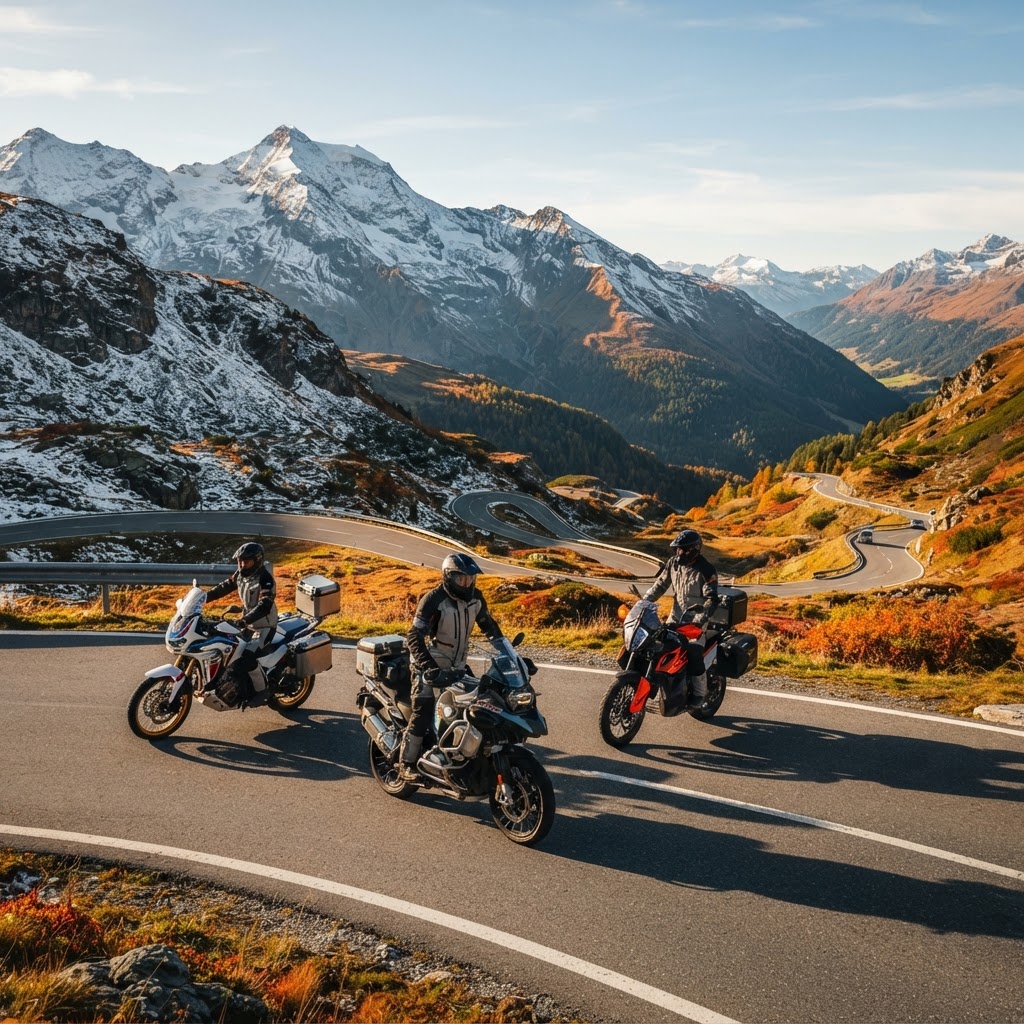
The Art of Riding Together
There is a unique camaraderie found in group riding that solo journeys simply cannot replicate. Whether you are navigating a winding APEX mountain pass or cruising through an ADVENTURE trail, the shared experience of the road is powerful. However, riding in a pack introduces new variables. Without clear communication and established protocols, a fun outing can quickly become stressful or dangerous. At AtacRide, we believe that safety is the foundation of every great tour, and mastering group dynamics is the first step toward a seamless ride.
Preparation: The Pre-Ride Briefing
The most successful group rides begin long before the engines start. A quick, informal riders' meeting is essential. Use this time to discuss the route, identify fuel stops, and—most importantly—align on the hand signals you will use. Assign an experienced 'Lead' and 'Sweep' rider. The Lead sets the pace and monitors road conditions, while the Sweep ensures no one is left behind and helps manage traffic during lane changes.
The Staggered Formation Explained
The staggered formation is the gold standard for group safety on highways and open roads. It provides a vital space cushion, allowing each rider enough room to react to hazards without encroaching on the rider ahead.
- The Lead: Rides in the left third of the lane.
- The Second Rider: Stays at least one second behind the leader in the right third of the lane.
- The Third Rider: Follows in the left third, two seconds behind the leader.
This pattern continues throughout the group. Remember, this formation is for open roads; when entering tight, technical curves or navigating poor road surfaces, it is safer to transition into a single-file formation to ensure everyone has maximum visibility and maneuvering room.
Essential Hand Signals for Communication
While modern headsets are popular, they can fail or become distracting. Knowing the standard hand signals ensures that even if technology drops out, your group remains synchronized. Always keep your right hand on the throttle and use your left arm for these critical gestures:
Pro Tip: Hold each signal for 2–3 seconds to ensure the rider behind you has ample time to see and process the message.
- Left Turn: Extend your left arm straight out, palm facing down.
- Right Turn: Extend your left arm out, bent at a 90-degree angle with a clenched fist.
- Stop: Extend your left arm straight down, palm facing back.
- Hazard on Road: Point to the hazard with your left hand or right foot, depending on the side of the threat.
- Fuel Stop: Point to your fuel tank with your index finger.
- Police Ahead: Tap the top of your helmet with an open palm.
Managing the Ride
If your group grows larger than five or seven riders, consider splitting into smaller sub-groups. Smaller packs are easier for other motorists to navigate around and reduce the pressure on riders to 'catch up' if they get separated by a traffic light. If you are the Lead, remember that your primary job is to ride at a pace that suits the least experienced rider in the group. Never force a pace that pushes others beyond their comfort zone.
Whether you are planning a high-octane CROSS tour or a relaxed TRIAL excursion, remember that the goal is to arrive safely and enjoy the journey. By respecting the formation and keeping communication clear, you ensure that every rider in your group can focus on what matters most: the road ahead.

